- Home/
- Buy Propecia in Online Pharmacy for United States Customers
This article is for informational purposes only. Medication use is only possible after consultation with a doctor. Self-medication is dangerous and could lead to serious harm.
Propecia (Finasteride) for Hair Loss in the United States: The Complete Guide (2026)
Can You Buy Propecia Without a Prescription in United States?
No, Propecia cannot be bought without a prescription in United States. According to current FDA regulations, Propecia (finasteride 1 mg) is a prescription-only medication. Buying Propecia without prescription is illegal and may expose you to health and legal risks. Safe purchase requires a valid prescription from a licensed healthcare provider. This is to protect you from counterfeit or substandard products and to ensure suitability for your health status.
Key Takeaways: Summary Table
| Parameter | Details (2026, United States) |
|---|---|
| Active Ingredient | Finasteride (1 mg) |
| Main Use | Male pattern hair loss (androgenetic alopecia) in men |
| Prescription Requirement | Yes (mandatory in United States) |
| Average Price (30 tablets) | $75–$120 (brand); $15–$40 (generic) |
| Onset of Action | 3–6 months for visible effects |
| Main Contraindication | Women, children, liver disease, pregnancy (strictly forbidden) |
| Most Common Side Effect | Decreased libido (1–2%) |
How Does Propecia Work to Prevent Hair Loss?
Propecia contains finasteride, a selective inhibitor of type II 5α-reductase. This enzyme normally converts testosterone, the main male hormone, into dihydrotestosterone (DHT), a more potent androgen. DHT is the key factor in male pattern hair loss: it shrinks hair follicles, shortens the hair growth phase, and causes gradual thinning.
By blocking 5α-reductase, Propecia lowers DHT levels in the scalp and blood by about 60–70%—a fact confirmed in multiple clinical trials over the past 5 years (FDA; PubMed). When DHT levels drop, hair follicles can recover, allowing for thicker hair regrowth and slowing down further hair loss.
In simple terms: Propecia doesn’t grow new hair on bald areas; it helps keep the hair you still have and may thicken miniaturized (thinning) hairs.
Metaphor: Think of DHT as a “hair loss accelerator.” Propecia presses the brakes on this process by cutting off the fuel supply (DHT), but it can’t rebuild the engine (regrow lost hair follicles).
Note: Unlike topical treatments, Propecia works systemically and does not require application to the scalp. Effects are only maintained while the medication is used.
Expert Commentary from doctor
During my years treating men with hair loss in cities like New York and Dallas, I’ve frequently encountered a misconception: many expect rapid, dramatic results. In reality, Propecia requires patience—visible improvements typically take 3 to 6 months, with the full effect often seen only after 12 months of consistent daily use. Another common challenge is adherence; some patients stop taking it after just 2–3 months, thinking it’s not working. It’s essential to explain up front that stopping the medication will gradually reverse any gains achieved, as DHT levels rebound and hair loss resumes. I also remind patients that Propecia works best for early to moderate hair loss, not complete baldness. Consistent follow-ups and realistic expectations improve satisfaction and safety.
How to Take Propecia: Dosage, Timing, and Duration
- Standard dose: 1 mg tablet by mouth once daily (do not exceed 1 mg/day for hair loss).
- How to take: Swallow whole with water, with or without food. Do not split, crush, or chew the tablet (the active ingredient can be absorbed through the skin and is hazardous to women and children).
- Missed dose: If you forget one dose, take it as soon as remembered, but do not double up. Resume normal schedule the next day.
- How long to use: Most men require at least 3 months of daily use to notice results. Maximum effect observed after 12 months. Continued use is necessary to maintain benefits.
- Can elderly patients use Propecia? Yes, but only after discussing with their physician, especially if there are underlying liver or prostate issues.
- Adjustment for kidney or liver impairment: Caution—patients with moderate to severe liver disease should avoid Propecia due to increased risk of buildup and side effects. Dose adjustment is not generally needed for kidney disease, but always consult your doctor.
Peak effect: Most users see maximum benefit after about 12 months of continuous use.
Discontinuation: Stopping Propecia will cause DHT levels to return to baseline within several weeks, and any hair maintained with the medication is usually lost within 6–12 months.
Propecia for men only: This medication is strictly for adult men. It must not be taken or handled by women—especially those who are or may become pregnant—due to risk of birth defects in male fetuses (FDA).
Food, Alcohol, and Lifestyle: What to Know When Taking Propecia
- Food Interactions:
- Propecia can be taken with or without food. Fatty meals do not significantly affect absorption or efficacy (Mayo Clinic).
- Alcohol:
- No direct interaction, but excessive alcohol use may worsen hair loss via other mechanisms (e.g., nutritional deficiency). Moderate social drinking (one to two drinks) is not contraindicated.
- Grapefruit juice:
- No clinically relevant interaction reported; unlike some other medications, grapefruit juice does not affect finasteride metabolism.
- Smoking:
- Smoking can accelerate hair loss and may counteract the benefits of Propecia.
- Supplements:
- Biotin and zinc supplements are often used in conjunction but are not proven to enhance Propecia’s effect.
Bottom line: There are no major dietary restrictions, but a balanced diet and healthy lifestyle may support better results.
Who Should NOT Use Propecia? Contraindications Explained
| Absolute Contraindications (Never Use) | Relative Contraindications (Use with Caution) |
|---|---|
|
|
Why these restrictions? Finasteride can cause developmental abnormalities in male fetuses and may worsen liver function in those with pre-existing liver disease. In men with undiagnosed prostate cancer, Propecia may artificially lower PSA (prostate-specific antigen) levels, masking disease progression (FDA).
What Side Effects Are Most Common with Propecia?
| Frequency | Side Effect | Mechanism/Notes |
|---|---|---|
| Very common (>1/10) | None observed in trials | |
| Common (1/100 – 1/10) | Decreased libido, erectile dysfunction, decreased ejaculate volume | Reduced DHT affects sexual function; often resolves with continued use or after stopping |
| Uncommon (1/1,000 – 1/100) | Breast tenderness or enlargement (gynecomastia), rash | Hormonal effects; report to doctor if persistent |
| Rare (<1/1,000) | Depression, testicular pain, hypersensitivity reactions | Mechanism unclear; seek medical attention if severe |
| Very rare (<1/10,000) | Male breast cancer | Extremely rare; routine screening not required |
- Post-finasteride syndrome: A small number of men report persistent sexual, mood, or cognitive symptoms after discontinuing Propecia. The existence of this syndrome is controversial and under ongoing study (PubMed).
- If you experience swelling of the lips, tongue, throat, or have difficulty breathing, seek emergency medical help—these could be signs of a serious allergic reaction.
- Report persistent mood changes or depression to your doctor immediately.
Guidance: Most side effects resolve within weeks after stopping Propecia. Never stop or adjust your dose without medical advice.
Common Patient Mistakes Observed by doctor
-
Stopping after a few months due to lack of visible results:
Propecia requires 3–6 months for initial effects and up to 12 months for maximal improvement. Stopping too soon leads to disappointment and wasted effort.
How to avoid: Set realistic expectations; schedule follow-ups to track progress. -
Doubling the dose for faster results:
Higher doses do not improve hair growth and increase risk of side effects.
How to avoid: Stick to 1 mg daily unless your doctor instructs otherwise. -
Buying Propecia online without prescription from unverified sources:
This exposes you to counterfeits, incorrect dosages, or dangerous contaminants.
How to avoid: Always use a licensed U.S. pharmacy or reputable telehealth platform. -
Handling or splitting tablets by women or children:
Even touching crushed tablets can lead to absorption through the skin, risking harm to a developing fetus.
How to avoid: Keep tablets in the original blister packaging, out of reach of others. -
Ignoring new breast lumps or persistent mood changes:
These may signal rare but serious side effects that require prompt evaluation.
How to avoid: Proactively report any unusual symptoms to your doctor.
Propecia vs. Alternatives: A Realistic Comparison (Table)
| Drug | Active Ingredient | Onset of Effect | Duration of Benefit | Common Side Effects | Cost (30 days, USD) | Prescription Req. |
|---|---|---|---|---|---|---|
| Propecia (brand) | Finasteride 1 mg | 3–6 months | Only while taking | ↓ libido, ED | $75–$120 | Yes |
| Generic finasteride | Finasteride 1 mg | 3–6 months | Only while taking | ↓ libido, ED | $15–$40 | Yes |
| Minoxidil | Topical minoxidil 5% | 4–6 months | Only while using | Irritation, unwanted hair growth | $25–$60 (solution) | No |
| Dutasteride (off-label) | Dutasteride 0.5 mg | 2–4 months | Only while taking | ↑ risk of side effects | $80–$140 | Yes |
| Hair transplant | — | Immediate (after healing) | Permanent (grafted hair) | Scarring, infection | $4,000–$15,000 | N/A |
Takeaway: Propecia and its generic are the only oral prescription options with substantial clinical evidence for male pattern hair loss. Minoxidil is the main non-prescription alternative, but works best in combination for many. Dutasteride may be more potent, but has higher risks and is not FDA-approved for hair loss in United States. Always buy Propecia or any generic from a U.S.-licensed pharmacy to ensure authenticity and quality.
Questions Frequently Asked to doctor
- 1. Can I take Propecia and minoxidil together?
- Yes, using both is common and may provide better results than either alone. They work via different mechanisms (one oral, one topical). Discuss with your provider for a coordinated plan.
- 2. What if I miss a dose of Propecia?
- Simply take the next dose at your usual time. Do not double up. Occasional missed doses do not seriously impact results if you resume your schedule.
- 3. Is it safe to use Propecia long-term?
- Most studies show it is safe for continuous use over 5+ years with regular monitoring. Annual check-ups are recommended to monitor for rare side effects or changes in PSA if you are over 40.
- 4. Will Propecia affect my ability to have children?
- Rarely, it may decrease sperm count or semen quality, but this effect typically reverses after stopping the medication. If you are actively trying to conceive, discuss with your doctor.
- 5. Can Propecia cause depression or mood changes?
- A small percentage of men report mood changes, including depression. If you notice persistent sadness, anxiety, or loss of interest in activities, stop the medication and contact your provider.
- 6. Is it possible to buy Propecia cheap in United States?
- Generic finasteride provides a much more affordable option, often at one-tenth the cost of the brand. Shop only at licensed pharmacies—”Propecia cheap” offers from unverified online sellers are often counterfeits.
- 7. Are there age restrictions for using Propecia?
- Propecia is approved for adult men only (18+ years). Its safety and effectiveness in younger males or women have not been established.
How Propecia Is Processed by Your Body (Pharmacokinetics)
- Absorption: Propecia is well absorbed orally. Peak blood levels occur within 1–2 hours.
- Metabolism: Finasteride is metabolized primarily in the liver by CYP3A4 enzymes.
- Elimination: About 40% is excreted in urine, the rest in feces. The average half-life is about 5–6 hours in younger men, and up to 8 hours in men over 70.
- Special note: Patients with severe liver disease have reduced finasteride clearance and higher risk of accumulation. No dose adjustment is generally needed in kidney impairment, but caution is advised in severe cases.
Myth vs Reality: Myth: Propecia starts working instantly. Reality: It takes months for DHT levels to decrease enough to impact hair follicles.
Special Considerations: Elderly, Women, and Chronic Illness
- Elderly men (65+): May have a slightly longer half-life of finasteride but no routine dose adjustment is needed. Monitor liver function and prostate health regularly.
- Women: Propecia is not indicated for women, especially during pregnancy or breastfeeding due to risk of fetal harm. Topical minoxidil is preferred for female pattern hair loss.
- Chronic liver disease: Propecia should be avoided.
- Chronic kidney disease: Generally well-tolerated but use with caution if severe.
- Operating machinery: Propecia does not impair driving or use of heavy equipment.
- Fertility: Rare reports of reversible reduced fertility exist. Discuss with a fertility specialist if actively trying to conceive.
Original Propecia vs Generics: What’s the Difference?
| Brand | Finasteride Content | Excipients (Inactive) | Price (30 tabs) | FDA Approval |
|---|---|---|---|---|
| Propecia (Merck) | 1 mg | Lactose, starch, coloring agents | $75–$120 | Yes |
| Generic (various) | 1 mg | May vary (check if lactose-free if allergic) | $15–$40 | Yes |
Both original and generic products contain the same active ingredient and are held to FDA standards for quality and bioequivalence. Differences lie in shape, packaging, and inactive ingredients. Generics are just as effective and safe for most users and represent a more affordable choice. Some may contain different fillers (such as lactose or dyes); check packaging if you have allergies.
How to Obtain Propecia Legally in United States: Step-by-Step Guide
- Schedule a consultation: See a licensed U.S. healthcare provider in person or via a legitimate telemedicine service. You’ll be asked about your medical history and hair loss progress.
- Assessment and prescription: If appropriate, your provider will write a prescription for Propecia or generic finasteride (1 mg tablets).
- Choose your pharmacy: You can fill your prescription at any licensed retail pharmacy (e.g., CVS, Walgreens, Rite Aid), or use a verified online pharmacy registered within United States.
- Order Propecia: Provide your prescription to the pharmacy staff or upload it to the online pharmacy platform. Confirm insurance coverage if applicable.
- Pick up or receive shipment: For local pharmacies, pick up your order with valid ID. For mail-order pharmacies, medications are shipped directly to your home, often within 1–4 business days.
- Follow up: Plan a follow-up visit in 3–6 months to assess effectiveness and side effects.
Note: Only buy Propecia online from pharmacies verified by the NABP .pharmacy program.
Buying Propecia in Pharmacy vs. Propecia Online: Legal and Safety Tips
- Physical pharmacy:
- Full pharmacist counseling
- Immediate pickup
- Insurance billing handled onsite
- Online pharmacy:
- Convenient home delivery
- Telemedicine consults available
- Must be U.S.-licensed; look for the NABP “.pharmacy” seal
- Never buy Propecia without prescription; it’s illegal and dangerous
Risks of unlicensed sellers: Counterfeit drugs, incorrect strength, contamination, legal action, and loss of money. The FDA routinely seizes shipments of prescription drugs purchased without valid U.S. prescriptions.
How to Identify Counterfeit Propecia and Stay Safe
- Check packaging for spelling errors, faded printing, or missing manufacturer information.
- Real Propecia comes in sealed blisters with batch/lot numbers and an expiration date.
- In United States, FDA-approved generics list the manufacturer and NDC (National Drug Code) number.
- Pricing that seems “too good to be true” often signals counterfeit or substandard products.
- Be wary of online offers for Propecia without prescription—these are almost always illegal or fake.
- Ask your pharmacist for verification if unsure.
Myth vs Reality: Myth: All drugs that look similar are equally effective. Reality: Only FDA-approved products with correct labeling are guaranteed for safety and potency.
Quality Check: What Should Real Propecia Look Like?
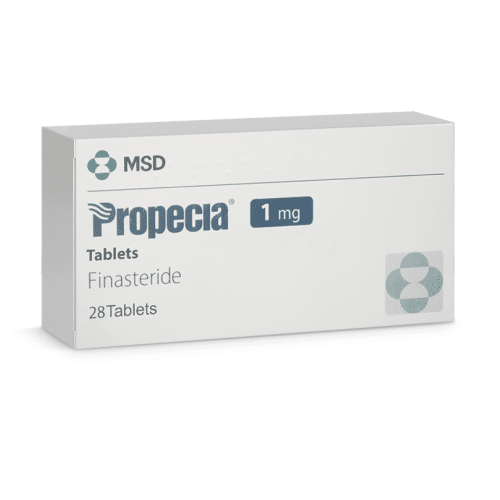
- Tablet: Film-coated, tan, rounded triangular tablet with “PROPECIA” and “MSD 71” engraved
- Packaging: Sealed blister packs inside a branded box
- Label: Lists finasteride content, manufacturer (Merck), lot number, and expiration date
- Security: Many have tamper-evident seals and QR codes (scan to verify at the manufacturer or FDA website, if available)
- Generic: Shape and color may differ, but must match the description on the pharmacy label
Compatibility Check: Propecia with Other Medications
| Product/Drug | Can Be Combined? | Consequences/Notes |
|---|---|---|
| Aspirin | Yes | No significant interaction |
| Antibiotics | Yes | Usually safe, but inform your provider |
| Nitroglycerin | Yes | No known interaction |
| Other 5α-reductase inhibitors (e.g., dutasteride) | No | Increased risk of side effects |
| Testosterone supplements | Caution | May reduce Propecia effectiveness |
| Minoxidil (topical) | Yes | Recommended combination |
| SSRIs (antidepressants) | Yes | No significant interaction, but monitor for mood changes |
| Warfarin | Caution | Monitor for rare changes in anticoagulation |
What to Do in Case of Propecia Overdose: Emergency Steps
- Stop taking Propecia immediately.
- Call poison control (1-800-222-1222) or your local emergency services.
- Tell the medical professionals exactly how much was taken, when, and bring the medication packaging with you.
- Do not attempt to induce vomiting unless instructed by medical personnel.
- Monitor for signs of allergic reaction or severe symptoms (swelling, breathing difficulty).
There is currently no specific antidote for finasteride overdose. Supportive care is the main approach.
Acknowledging the Psychological Side of Hair Loss
Experiencing hair loss can be distressing, and you’re not alone—millions of men across the United States face this challenge every year. Remember, effective help is available, and seeking treatment is a positive step. Consider talking openly with a qualified health professional or counselor if hair loss impacts your confidence or mood. Sometimes, just sharing concerns can make a real difference.
What Should I Do If Propecia Does Not Work?
- Check that you have used it consistently for at least 6–12 months.
- Combine with topical minoxidil for possible added benefit.
- Re-examine other contributing factors: stress, nutritional issues, thyroid disease.
- Consult a board-certified dermatologist or hair restoration specialist (try searching for the American Academy of Dermatology member directory for your city).
- Consider procedural options like PRP (platelet-rich plasma) or hair transplant if appropriate.
- Do not increase your dose beyond 1 mg daily; this will not improve results and may cause harm.
Professional Opinion of doctor
In my practice, Propecia (finasteride 1 mg) remains a mainstay for adult men with early to moderate male pattern hair loss who want a clinically proven, convenient treatment. Patients most likely to benefit are those who still have a substantial amount of hair on the scalp and wish to slow further loss or thicken thinning areas. The main trade-off is the possibility—albeit low—of sexual side effects, which are usually reversible. I counsel each patient on realistic expectations and closely monitor mood and sexual health, especially in those with a personal or family history of depression. For those opposed to long-term medication or who do not respond, topical minoxidil or hair transplant are reasonable alternatives. Bottom line: Propecia is highly effective for many, but not all, men with androgenetic alopecia. In every case, the decision to start treatment should be individualized after a detailed discussion of risks and benefits.
Frequently Asked Questions (FAQ)
- Can Propecia be used daily?
- Yes, Propecia is designed for once-daily use. Do not exceed the recommended dose.
- Is it legal to buy Propecia online in United States?
- Yes, but only with a prescription and from a licensed U.S. pharmacy. Buying Propecia without prescription online is illegal and unsafe.
- How long does Propecia take to work?
- Most users see improvement after 3–6 months, with maximal results at 12 months.
- What happens if I stop taking Propecia?
- Hair loss will typically resume and any gains will be lost over 6–12 months after stopping.
- Can I purchase Propecia cheap in United States?
- Generic finasteride is much more affordable and widely available at U.S. pharmacies.
- Do I need a new prescription for every refill?
- Most U.S. prescriptions allow for several refills within 12 months, but check with your doctor and pharmacy.
- Are there any insurance plans that cover Propecia?
- Most insurance plans in United States consider Propecia for hair loss a cosmetic treatment, so coverage is rare. Generic options can help reduce costs.
- Can Propecia cause permanent side effects?
- Most side effects resolve after stopping. Persistent symptoms are rare but should be discussed with your doctor.
Sources and References